




Electron Microscopy Training
LSU Mechanical Engineering, Materials Science
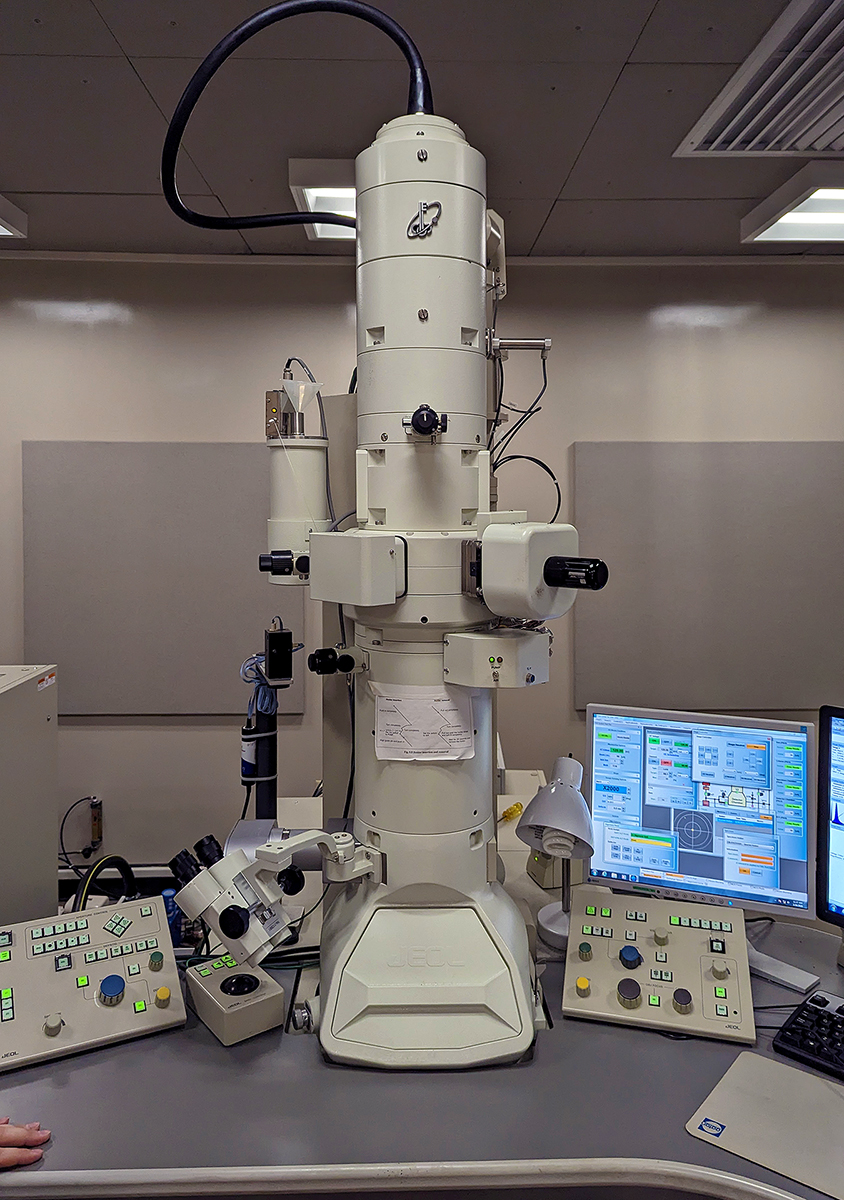
EMSight is an immersive training and scientific visualization platform for electron microscopy, developed at LSU in collaboration with Dr. Chris Marvel, a materials scientist in the Department of Mechanical Engineering. The project brings together materials science, real-time simulation, interaction design, and spatial computing to transform how students and researchers learn to operate advanced scientific instruments.
The microscope at the center of the project was funded by the U.S. Army, and the development of EMSight is supported by $2.5 million from the National Institute of Standards and Technology. This investment establishes the platform as more than a single training application. It creates a foundation for scalable scientific workforce development, instrument simulation, and knowledge transfer.
Electron microscopes are powerful analytical tools, but their cost, sensitivity, and complexity create significant barriers to training. New users often require extensive supervised instruction before they can work independently, and each training session consumes valuable microscope time that could otherwise support active research. Equipment availability, staff schedules, and the risks of inexperienced operation can turn proficiency into a multi-year process.
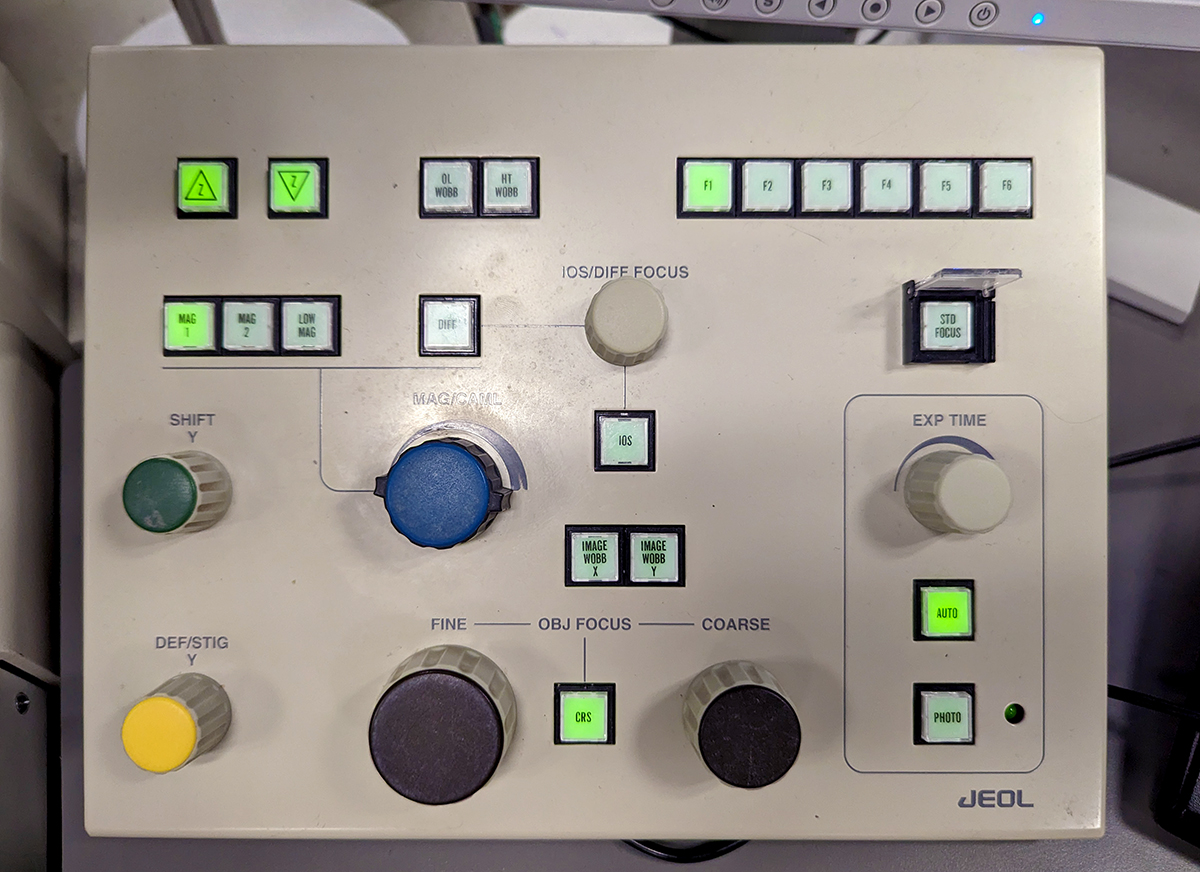
EMSight moves the early and intermediate stages of that process into an interactive virtual environment. The platform reproduces the microscope, its physical controls, its software interfaces, and the procedural sequence required to prepare, operate, and interpret an experiment. Students can repeat procedures, test decisions, make mistakes, and build confidence without placing equipment, samples, or laboratory schedules at risk.
The simulation begins with an older electron microscope whose mechanical systems and analog controls make the relationship between user input and instrument behavior especially visible. Detailed digital models, internal cutaways, interactive annotations, and real-time responses expose processes normally concealed inside the machine. Users can understand the instrument as a complete system rather than as a sealed piece of laboratory equipment.
EMSight also connects physical operation with the software used to control imaging and interpret results. Users move through mechanical procedures, interface navigation, sample positioning, instrument settings, image formation, and analysis within a unified training experience. Custom virtual and physical interfaces preserve the tactile and procedural qualities of the real system while retaining the flexibility and repeatability of simulation.
The platform is designed for iterative training rather than a single demonstration. Procedures can be repeated on demand, instructional guidance can be adjusted to match the user's experience, and scenarios can expand as new instruments and workflows are added. Students can begin training before entering the laboratory, arrive with greater procedural fluency, and reserve supervised microscope time for higher-value instruction and research.
EMSight demonstrates how visualization and simulation can function as scientific infrastructure. It extends the value of a scarce research asset by creating a parallel environment for onboarding, practice, assessment, and remote instruction. The long-term vision is a nationally shareable framework through which universities, federal laboratories, workforce programs, and industrial research facilities can prepare users for advanced instrumentation before they encounter the physical equipment.
By combining scientific expertise with game-engine development, immersive interaction, accurate digital modeling, and instructional design, EMSight reduces the barriers surrounding one of the most demanding forms of laboratory training. The project positions LSU to lead a broader transformation in how complex instruments are taught, understood, and integrated into the scientific workforce.